-
LED Dairy Light
80W, 170lm/W, IP65, Tool-Free
Model DRL01 -
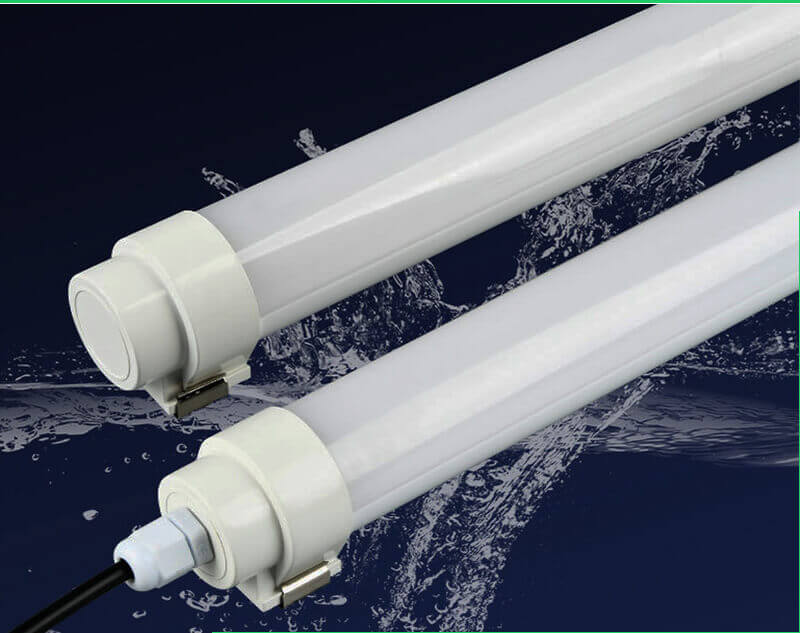
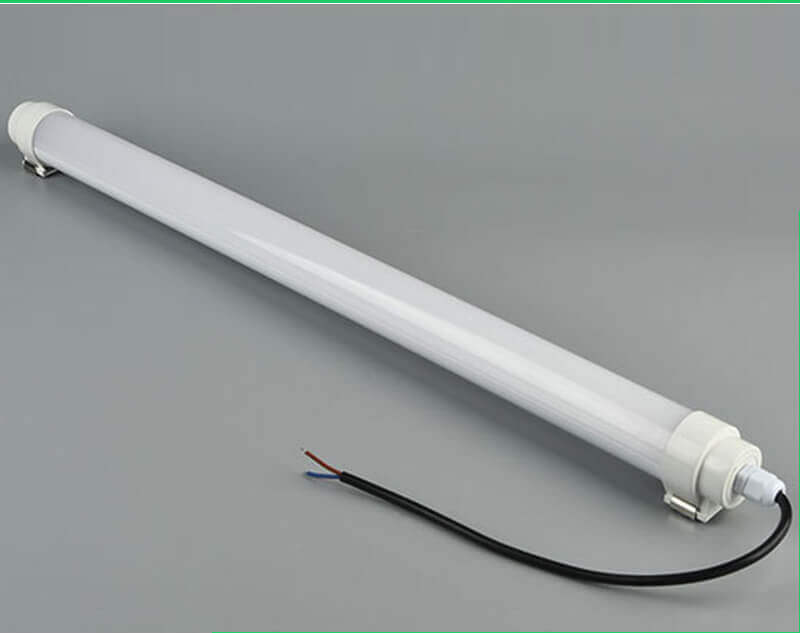
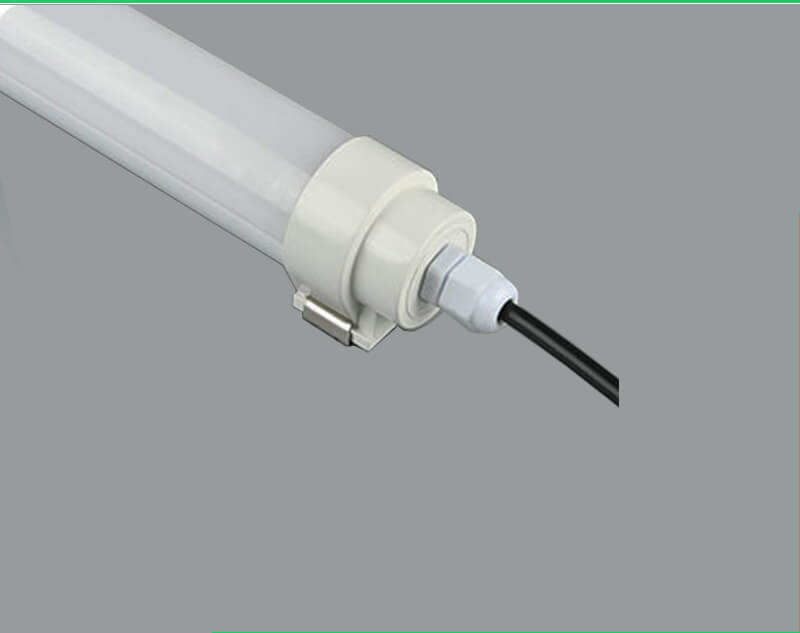
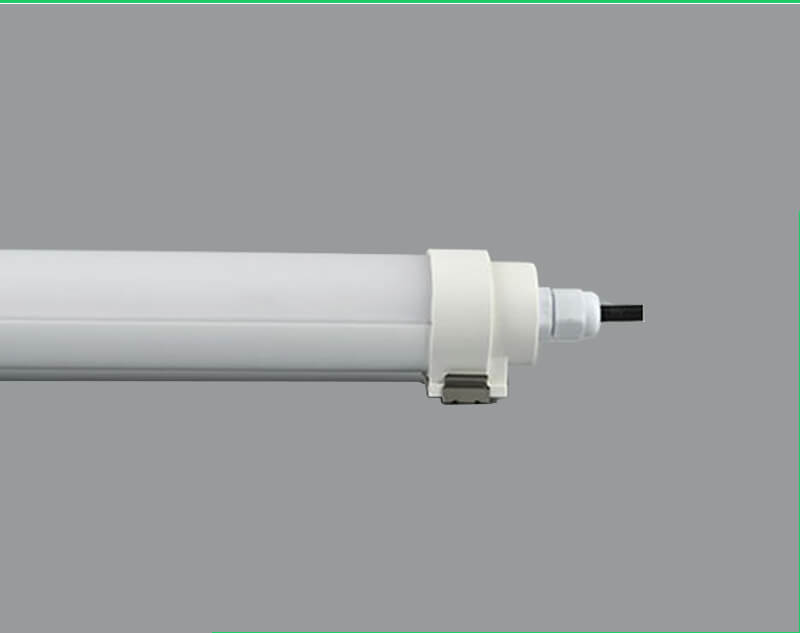
LED Swine Light
T12, Φ38mm, 180lm/W, 50W, IP66
Model SWL01 -
LED Chicken Light
T8, Φ26mm, 180lm/W, 25W, IP66
Model CKL01
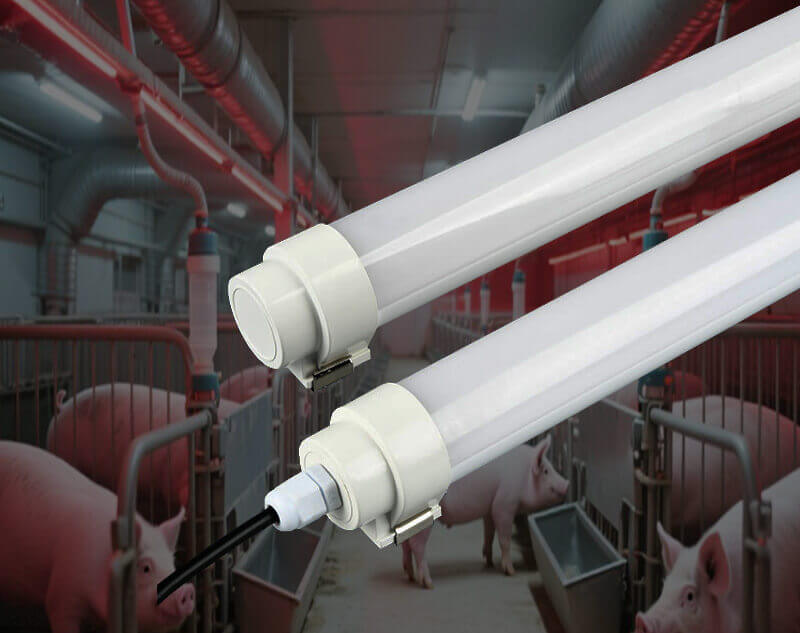
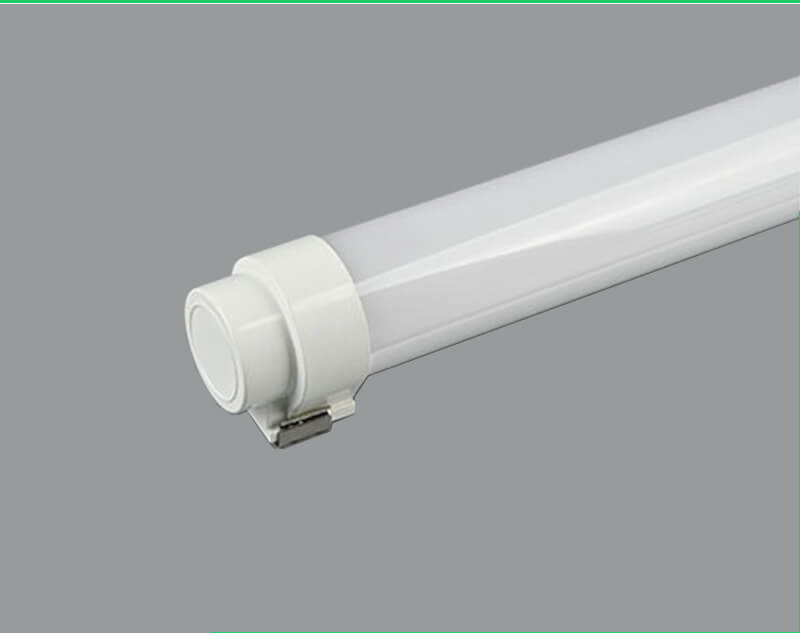
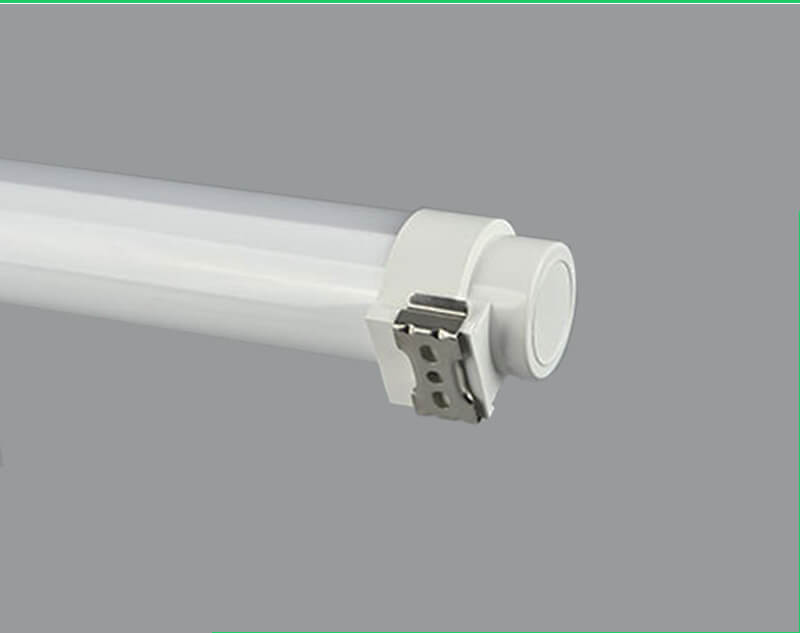
Datasheet Of LED Swine Light
| Length: | 2FT |
4FT |
5FT |
||
|---|---|---|---|---|---|
| Rated Power: | 18W |
36W |
50W |
||
| Lumen: | 3200LM |
6480LM |
9000LM |
||
| Lumen Efficacy: | 180lm/W |
||||
| LED Chip: | SMD2835 |
||||
| CRI: | Ra≥80 |
||||
| CCT Color: | Green Color, Red Color, 3000K/4000K/5000K/6000K |
||||
| Beam Angle: | 120° |
||||
| Input Voltage: | AC200-240V, 50/60Hz (AC100-277V Optional) |
||||
| LED Driver: | IC Driver |
||||
| Flicker: | Non Flicker |
||||
| Power Factor: | PF≥0.92 |
||||
| IP Rating: | IP66 |
||||
| Housing Color: | White Color |
||||
| Function Optional: | 0-10V Dimmer |
||||
| Material: | Whole PC Houseing |
||||
| Working Temp: | -30°C to +45°C |
||||
| Working Humidity: | 10% to 90% RH |
||||
| Lifespan: | 50,000H |
||||
| Warranty: | 5 Years |
||||
What Are LED Swine Light?
LED swine lights are specially designed LED lighting systems optimized for pigs’ vision, behavior, and barn conditions, enhancing animal welfare, growth, and farm efficiency.
In modern pig farming, lighting influences pigs’ physiological and behavioral functions—from feeding, hormone regulation, and reproduction to stress reduction and immune performance. Proper lighting helps pigs move safely in their pens, reduces aggression, improves feed intake, and supports reproductive efficiency. LED swine lights are designed to meet these biological and management needs while also being energy-efficient and durable for harsh farm environments.
Pigs possess dichromatic vision, with peak sensitivity to blue (around 439 nm) and green–yellow wavelengths (around 556 nm) and reduced sensitivity to red light. Modern LED swine lights exploit this spectral sensitivity by offering tunable wavelengths to calm animals, encourage feeding, and support circadian rhythms. This helps farmers simulate natural day-night cycles and reduce stress-associated behaviors.
Benefits Of LED Swine Light?
- • Animal welfare: Reduces stress, aggression, and injuries while improving spatial awareness.
- • Growth and productivity: Optimized light cycles and spectra increase feed intake, weight gain, and reproductive efficiency.
- • Energy efficiency: Uses 60–70% less power than fluorescent or incandescent lights.
- • Durability and maintenance: Resistant to barn conditions, reducing replacement frequency and operational costs.
- • Smart integration: Advanced LED systems can include motion-activated dimming, photocell harvesting, and adjustable light “recipes” for each stage of pig growth.
How They Work
- • Color temperature: 4000–5000K neutral white for general areas; 3000K warm white for farrowing rooms to reduce aggression.
- • Light intensity: 50–200 lux depending on housing type and growth stage.
- • Photoperiod: 14–18 hours light for feeding and activity, plus a dark period (≥4 hours) for rest.
- • Directional and uniform illumination: To avoid glare, shadows, or sudden brightness changes, enhancing animal safety.