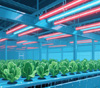
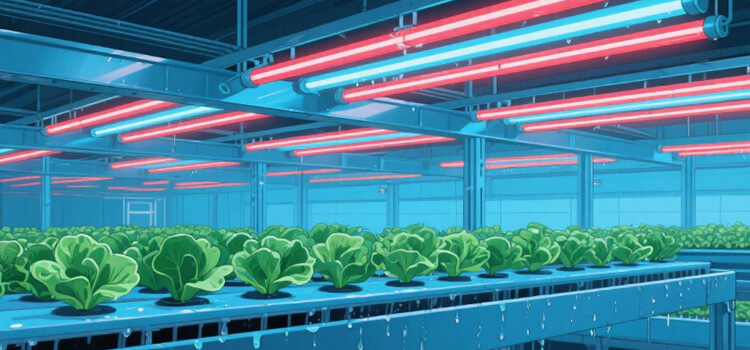
LED grow light is an artificial light that uses Light Emitting Diodes (LEDs) to provide the specific light spectrum plants need for photosynthesis, mimicking sunlight for indoor growing. They are popular due to their energy efficiency, long lifespan, and ability to be manufactured in a full spectrum or a spectrum targeted to specific plant growth stages, often by mixing red and blue LEDs.
How they work:
• Light spectrum: LED grow lights are designed to emit light in the Photosynthetically Active Radiation (PAR) range, which is the range of light wavelengths (400-700nm) that plants use for growth.
• Spectrum control: Individual LEDs can emit a narrow range of colors. Grow lights combine different color LEDs to create either a "full spectrum" light that appears white to the human eye, or a targeted spectrum with a higher proportion of red and blue light to promote specific growth stages like vegetative growth or flowering.
• Energy conversion: LEDs are very efficient at converting electricity into useful photons for plants, leading to lower energy consumption and lower heat output compared to older technologies like incandescent or HID lights.
Benefits:
• Energy efficient: They use less energy than traditional lighting options.
• Long lifespan: LED lights typically last much longer than fluorescent or incandescent bulbs.
• Lower heat output: The low heat output reduces the risk of burning plants and can lower cooling costs in a grow room.
• Customizable spectrum: The ability to mix colors allows for lights to be tailored to a plant's specific needs throughout its life cycle.