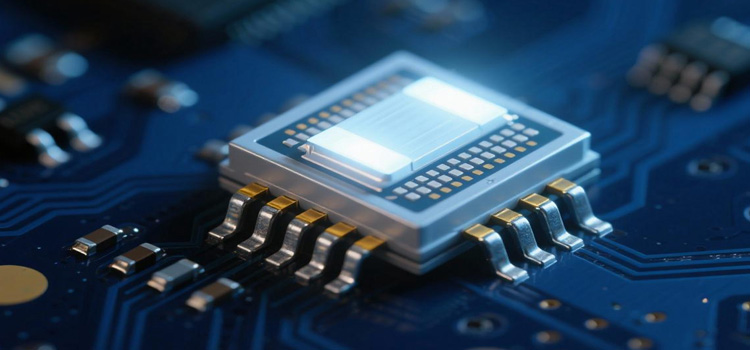
LED lighting uses light-emitting diodes (LEDs), which are semiconductor devices that convert electricity into light with high efficiency and long lifespan. They work by passing an electric current through a microchip to produce light, which is more durable, energy-efficient, and longer-lasting than traditional incandescent or fluorescent bulbs.
How it works:
• Semiconductor device: LEDs are a type of solid-state lighting, meaning they use a solid piece of semiconductor material to convert electrical energy into light, a process called electroluminescence.
• Current flow: When an electric current is applied, it causes electrons to move through the semiconductor material and release energy in the form of light.
• Heat dissipation: Since LEDs produce very little heat, they are much more energy-efficient than traditional bulbs. They use heat sinks to absorb and dissipate the heat that is produced.
Key advantages:
• Energy efficiency: LEDs can be up to 90% more energy-efficient than incandescent bulbs and consume significantly less electricity.
• Long lifespan: High-quality LED bulbs can last 25,000 to 50,000 hours or more, which is much longer than traditional bulbs.
• Durability: LEDs are solid-state, meaning they don't have a fragile filament to break and are more resistant to shock and vibration.
• Directional light: LEDs emit light in a specific direction, which makes them more efficient for applications where light needs to be focused.
• Versatility: They are quick to turn on and off and are dimmable, and can be manufactured in a variety of colors.