-
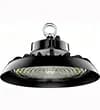
UFO High Bay Light
210LM/W, 3CCT&Power
Model UFO
Switchable Beam Angle -
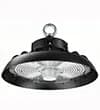
UFO High Bay Light
210LM/W, 60W, 80W, 100W
Model UFO
Microwave Motion Sensor -
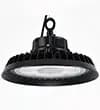
UFO High Bay Light
100W, 150W, 200W
Model UFO
210lm/W -
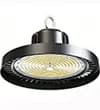
UFO High Bay Light
100W, 150W, 200W
Model UFO
210lm/W -
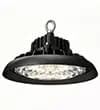
UFO High Bay Light
100W, 150W, 200W
Model UFO
190lm/W -
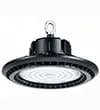
UFO High Bay Light
100W, 150W, 200W
Model UFO
190lm/W -
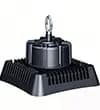
UFO High Bay Light
100W, 150W, 200W
Model UFO
Square Version -
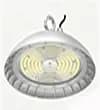
UFO High Bay Light
100W, 150W, 200W
Model UFO
Smooth Surface, White Houseing
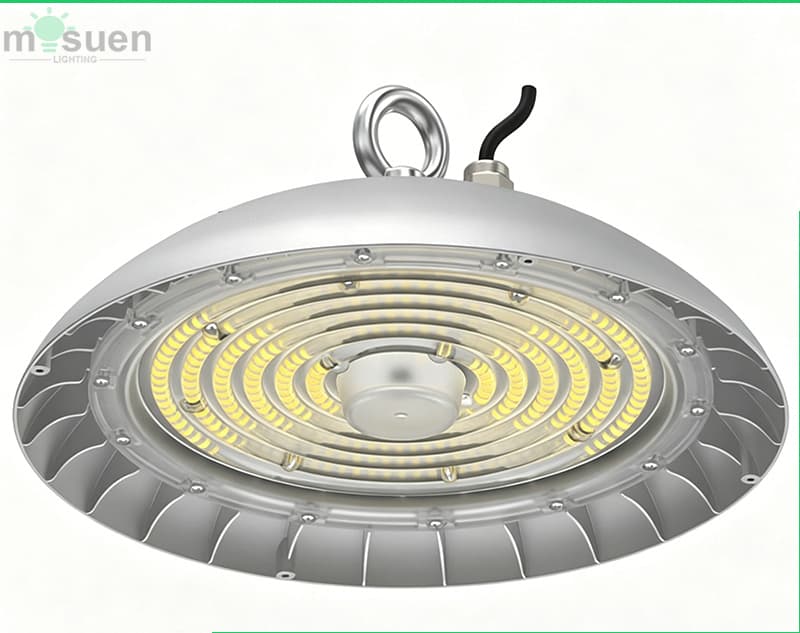
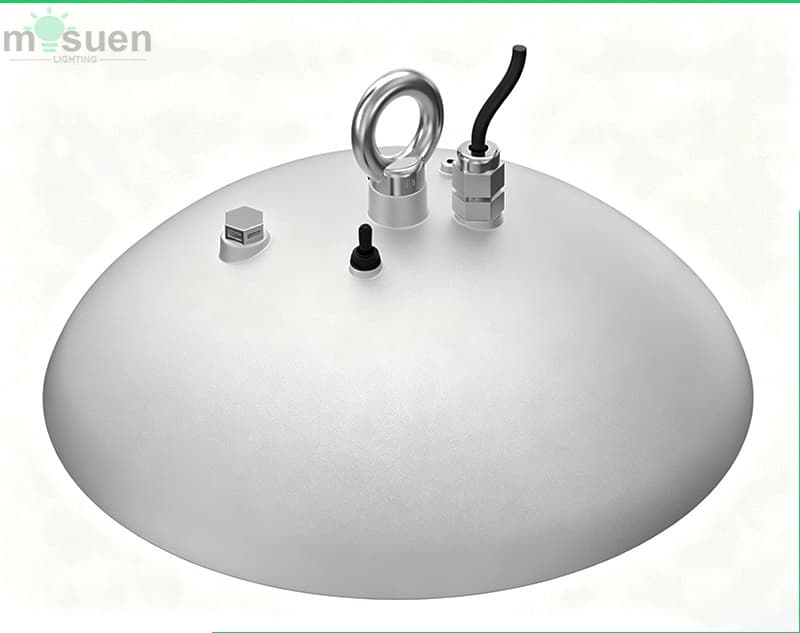
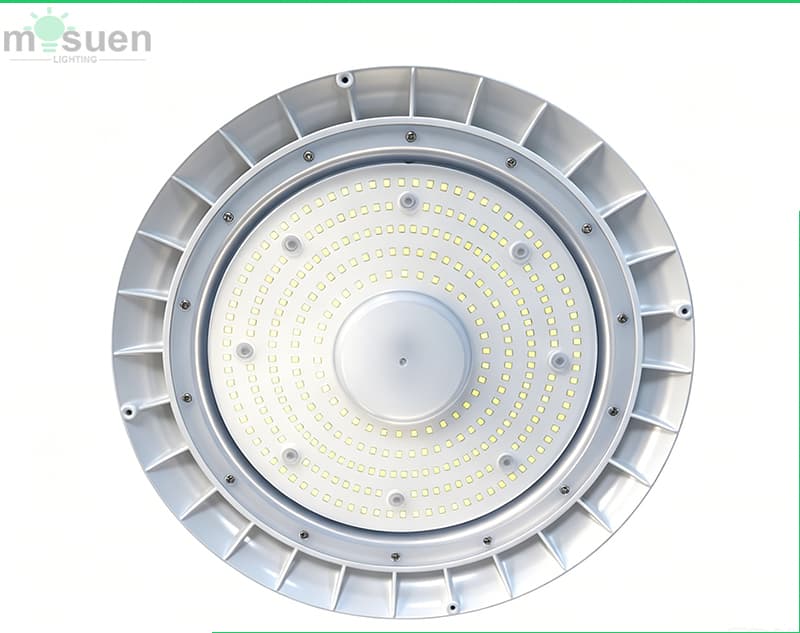
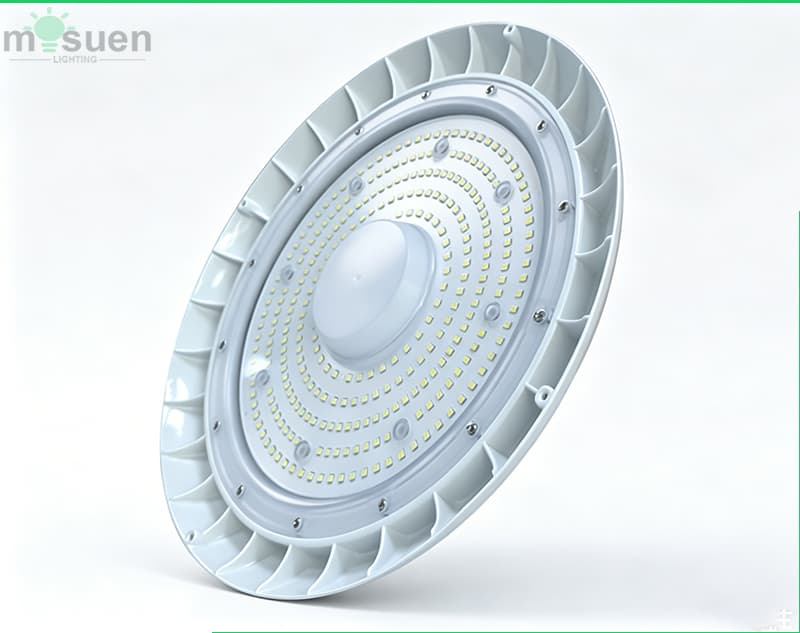
Technical Specifications Of LED High Bay Light
| Demension: | Ф300MM |
Ф345MM |
Ф345MM |
||
|---|---|---|---|---|---|
| Rated Power: | 100W |
150W |
200W |
||
| Switchable Power: | 100-80-60W |
150-120-90W |
200-160-120W |
||
| Lumen Efficacy: | 170lm/W |
||||
| Optional lm/W: | 130lm/W, 150lm/WW |
||||
| LED Chip: | SMD2835 |
||||
| CRI: | Ra≥70 (or Ra≥80) |
||||
| CCT Color: | 4000K / 5000K / 6000K |
||||
| Beam Angle: | 60/90/120° |
||||
| Input Voltage: | AC200-240V, 50/60Hz (AC100-277V Optional) |
||||
| Flicker: | Non Flicker |
||||
| Power Factor: | PF≥0.92 |
||||
| IP Rating: | IP65 |
||||
| Housing Color: | White Color |
||||
| Function Optional: | Emergency Battery, Microwave Motion Sensor, 1-10V/Triac Dimmer |
||||
| Material: | Aluminum + PC Lens |
||||
| Working Temp: | -30°C to +45°C |
||||
| Working Humidity: | 10% to 90% RH |
||||
| Lifespan: | 50,000H |
||||
| Warranty: | 5 Years |
||||
Picture of Product
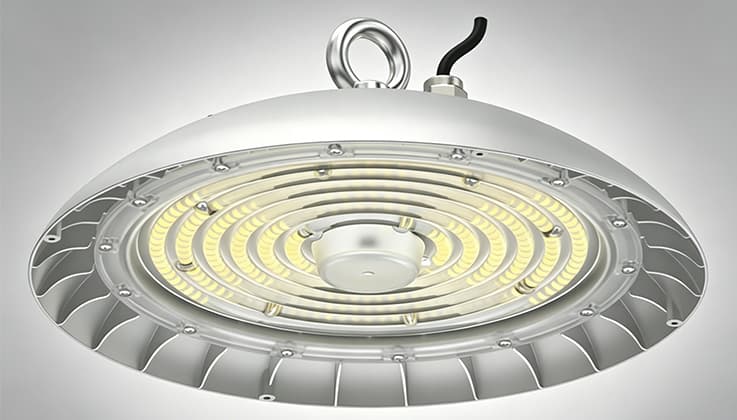
Understanding UFO High Bay Lights: Why Smooth White Housing Matters
1. What Are UFO High Bay Lights?
UFO (Ultra Flat Oval) high bay lights represent the modern evolution of industrial overhead lighting solutions. Unlike traditional rectangular or cylindrical fixtures, the UFO design features a distinctive flat, saucer-like profile that optimizes light distribution while minimizing heat concentration. The smooth white housing variant specifically addresses aesthetic concerns that many facility managers face when upgrading industrial spaces—proving that professional-grade lighting doesn't require compromising on appearance.
These lights are engineered for spaces requiring 6-15 meters of mounting height, making them ideal for warehouses, manufacturing facilities, gymnasiums, sports arenas, parking structures, and logistics centers. The UFO design's aerodynamic profile reduces mounting strain and provides superior light dispersion compared to conventional designs.
2. The Significance of Smooth White Housing
The smooth white aluminum housing serves multiple functional purposes beyond aesthetics:
- • Optimized Light Reflection: The white finish acts as a natural light reflector, directing illumination downward toward work areas while minimizing upward light waste. This internal reflection system enhances effective lumens delivered to target surfaces.
- • Thermal Management: Aluminum's superior thermal conductivity, combined with the smooth white finish's non-corrosive properties, ensures consistent heat dissipation even in challenging industrial environments with moisture, chemicals, or temperature fluctuations.
- • Maintenance Benefits: Smooth surfaces resist dust and particulate accumulation compared to textured finishes, reducing maintenance frequency and cleaning costs—critical for food processing, pharmaceutical manufacturing, and cleanroom applications.
- • Professional Appearance: Modern facility aesthetics matter for client perception and employee morale. The smooth white finish transforms industrial spaces into professional-looking environments, particularly valuable for customer-facing warehouses, retail distribution centers, or corporate facilities.
- • Corrosion Resistance: The smooth aluminum construction with appropriate protective coatings withstands harsh environments including high humidity, saltwater facilities, and chemical storage areas where traditional painted housings deteriorate rapidly.
170lm/W Efficiency: What This Means for Your Bottom Line
The 170 lumens per watt specification places this UFO high bay light among the most efficient industrial lighting solutions available in today's market. To contextualize this performance: traditional metal halide high bay fixtures typically deliver 60-80 lm/W, while older high-pressure sodium systems achieve only 50-70 lm/W. At 170 lm/W, this LED solution more than doubles the efficiency of legacy technologies.
1. Translating Efficiency into Cost Savings
Consider a typical warehouse scenario: 50 high bay fixtures operating 16 hours daily across 350 operating days annually (5,600 hours/year). Comparison between technologies:
- • Traditional 400W Metal Halide Systems: 50 fixtures × 400W × 5,600 hours = 112,000 kWh annually
- • This 150W LED Solution at 170lm/W: 50 fixtures × 150W × 5,600 hours = 42,000 kWh annually
- • Annual Consumption Reduction: 62.5% decrease in electrical consumption
At average industrial electricity rates of $0.11/kWh, this translates to annual savings of approximately $7,700 for a modest 50-fixture installation. Larger facilities with 100-200 fixtures achieve $15,400-$30,800 in annual energy cost reductions. These calculations exclude additional savings from reduced HVAC cooling loads (lighting generates approximately 85% of its consumed energy as heat) and extended maintenance intervals.
2. Environmental Impact
The efficiency advantage also reduces environmental footprint. Lower energy consumption directly correlates to reduced carbon emissions from power generation. Facilities installing 100 of these fixtures eliminate approximately 350 tons of CO2 emissions annually compared to metal halide equivalents—equivalent to planting 5,700 mature trees.
Adaptive Power Switching: 150W-120W-90W System
The switchable power feature distinguishes this fixture from standard high bay lighting. Rather than operating at constant maximum consumption, this system enables three distinct operational modes, allowing facility managers to match lighting intensity to actual operational requirements.
1. How the Power Switching System Functions
150W Mode (Full Power): Ideal for detailed assembly work, quality inspection areas, or peak business hours. Delivers maximum 170lm/W output—approximately 25,500 lumens—suitable for tasks requiring precise color rendering and visibility.
120W Mode (Standard Operation): The recommended setting for general warehouse operations, storage areas, and routine material handling. This mode maintains 95% of maximum light output while consuming 20% less energy than full power mode, representing the optimal balance between visibility and efficiency for most operations.
90W Mode (Energy Conservation): Deployed during night shifts, early morning pre-operation setup, or business hours when facility sections remain unoccupied. Still delivers approximately 15,300 lumens (60% of maximum)—adequate for general navigation and safety requirements while achieving 40% energy reduction compared to full power.
2. Practical Application Scenarios
A distribution center operating 24/7 across three shifts illustrates real-world benefits: Day shift (16-20 hours in high production areas) operates at 150W; night shift and maintenance periods use 120W in main areas and 90W in low-activity zones. This adaptive approach reduces overall facility consumption by approximately 25% without compromising safety or operational effectiveness.
The switching mechanism is typically controlled via wall-mounted dimmer switches, building management systems (BMS), or occupancy sensors—allowing automated power reduction in unoccupied spaces. Some installations integrate scheduling software that automatically reduces power during predictable low-activity periods.
IP65 Rating: Protection Against Industrial Environments
The IP65 (Ingress Protection) rating specifies the fixture's resilience against environmental contamination—a critical specification often overlooked by facility managers unfamiliar with protection standards.
1. Decoding the IP Rating System
IP ratings use two digits: the first indicates solid particle protection (0-6 scale), while the second indicates liquid protection (0-8 scale). IP65 indicates:
- • First Digit (6): Complete dust protection—no dust particles can enter the fixture regardless of exposure duration. This rating suits manufacturing facilities with airborne dust, textile mills, grain handling facilities, and any high-particulate environments.
- • Second Digit (5): Protection against water jets from all directions—the fixture withstands pressurized water cleaning without moisture infiltration. Critical for facilities using pressure washing, high-humidity environments, or areas exposed to spray systems.
2. Real-World Applications for IP65 Protection
Food and Beverage Manufacturing: Sanitary washdown procedures using pressurized water and cleaning chemicals can destroy unprotected fixtures. IP65 rated lights survive these environments without degradation, maintaining consistent illumination across processing lines.
Cold Storage Facilities: Temperature cycling and humidity create condensation within poorly sealed fixtures, causing electrical failures and premature LED degradation. IP65 protection eliminates these risks.
Outdoor/Semi-Covered Areas: Parking structures, loading docks, and covered outdoor storage experience water infiltration during rain and snow melt. IP65 fixtures withstand these seasonal challenges without requiring additional protective housing.
Humid Coastal/Chemical Facilities: Saltwater spray or chemical vapors accelerate corrosion of standard fixtures. IP65-rated aluminum housing with appropriate protective finishes resists these aggressive environments.
Fixtures without adequate IP ratings fail prematurely in these environments, resulting in unplanned downtime, emergency replacement costs, and potential safety issues from sudden illumination loss.
IK08 Impact Resistance: Durability in Dynamic Environments
IK ratings measure mechanical impact resistance—a specification reflecting real-world durability concerns. The IK08 rating indicates the fixture can withstand 5 joules of impact energy without functional damage or light output degradation.
1. Why IK Rating Matters in Industrial Settings
Unlike office environments with controlled conditions, industrial facilities experience regular mechanical stress. High bay fixtures face:
- • Accidental impact from tall equipment, forklifts, or aerial cherry pickers
- • Building vibration from heavy machinery or industrial processes
- • Thermal stress cycles from temperature fluctuations causing material expansion/contraction
- • Pressure variations from explosive atmospheres (where applicable)
IK08 protection ensures the fixture survives these challenges. To contextualize: an IK08 fixture withstands impact equivalent to a 2.5 kg object striking at 2 meters height—the typical hazard level in warehouse environments.
2. Manufacturing Facilities with Hazardous Conditions
Facilities classified as ATEX or hazardous locations (certain chemical processing, grain mills, explosive atmosphere storage) require lights certified for mechanical durability combined with electrical safety specifications. This UFO fixture's IK08 rating provides baseline mechanical resilience for these demanding applications.
Lower-rated fixtures (IK05-IK06) fail within months in heavy industrial environments, requiring replacement during active facility operations—disrupting production and creating unexpected capital expenditure.
Aluminum Housing: Engineering Benefits Beyond Aesthetics
1. Thermal Conductivity Advantages
Aluminum's thermal conductivity (160 W/mK) exceeds most alternative housing materials, enabling efficient heat dissipation from LED assemblies. Superior thermal management directly correlates to LED lifespan—LEDs operating at lower junction temperatures (below 80°C) demonstrate lifespan extensions of 30-40% compared to fixtures operating at 100°C+.
This thermal efficiency translates directly to extended fixture lifespan, typically 50,000-70,000 hours for properly cooled LEDs, compared to 30,000-40,000 hours for inadequately cooled systems. For industrial applications, this difference means replacing fixtures every 8-10 years versus every 5-6 years—significant cost implications over facility lifecycles.
2. Weight and Structural Advantages
Aluminum's strength-to-weight ratio minimizes structural loading on mounting systems. A comparable fixture using alternative housing materials might weigh 35-40% more, increasing ceiling reinforcement requirements and installation complexity. UFO lights with aluminum housing typically weight, reducing installation costs and enabling standard industrial ceiling structures to support fixtures without modification.
3. Corrosion and Longevity
Unlike steel housing requiring continuous rust prevention or plastic housing susceptible to UV degradation and brittleness, aluminum develops a protective oxide layer naturally resisting corrosion. This inherent protection extends fixture operational lifespan, particularly in challenging environments.
Core Features and Benefits Summary
● Energy Efficiency
170lm/W Output: Achieves 60-65% energy reduction compared to legacy metal halide systems, translating to thousands in annual operational savings for typical facilities.
● Smart Power Modes
Three Operating Levels: 150W, 120W, and 90W settings enable load-matching to actual operational requirements, optimizing energy consumption across varying demand cycles.
● Industrial Protection
IP65 Waterproof Rating: Protects against dust infiltration and pressurized water exposure, essential for sanitary environments and outdoor/semi-covered applications.
● Impact Durability
IK08 Resistance: Withstands mechanical impacts and vibration in dynamic industrial environments, ensuring long-term reliability without premature failure.
● Professional Design
Smooth White Aluminum Housing: Combines functionality with aesthetic appeal, transforming industrial spaces into professional environments while optimizing light distribution.
● Thermal Excellence
Advanced Heat Dissipation: Aluminum construction enables superior heat management, extending LED lifespan to 50,000-70,000 hours with reduced thermal stress.
● Energy Efficiency
170lm/W Output: Achieves 60-65% energy reduction compared to legacy metal halide systems, translating to thousands in annual operational savings for typical facilities.
● Smart Power Modes
Three Operating Levels: 150W, 120W, and 90W settings enable load-matching to actual operational requirements, optimizing energy consumption across varying demand cycles.
● Industrial Protection
IP65 Waterproof Rating: Protects against dust infiltration and pressurized water exposure, essential for sanitary environments and outdoor/semi-covered applications.
● Impact Durability
IK08 Resistance: Withstands mechanical impacts and vibration in dynamic industrial environments, ensuring long-term reliability without premature failure.
● Professional Design
Smooth White Aluminum Housing: Combines functionality with aesthetic appeal, transforming industrial spaces into professional environments while optimizing light distribution.
● Thermal Excellence
Advanced Heat Dissipation: Aluminum construction enables superior heat management, extending LED lifespan to 50,000-70,000 hours with reduced thermal stress.
Ideal Applications and Industry Use Cases
● Warehousing and Logistics
Distribution centers require consistent 300-500 lux illumination across large areas spanning 5,000-50,000+ square meters. Traditional high bay systems create hot spots, shadows, and maintenance nightmares. UFO fixtures with smooth white housing distribute light uniformly while the IP65 rating protects against humidity, temperature fluctuation, and operational spray. The adaptive power modes reduce energy consumption during overnight storage periods when only navigation lighting is required.
● Manufacturing and Assembly
Production facilities requiring 500+ lux for quality inspection benefit from the 170lm/W efficiency and superior color rendering. The smooth white housing provides professional aesthetics appreciated during customer facility tours, while the IP65 rating handles washdown procedures common in food, pharmaceutical, and beverage manufacturing.
● Cold Storage and Freezer Operations
Temperature-controlled facilities experience extreme condensation and thermal stress. The IP65 sealed design prevents moisture infiltration that would destroy standard fixtures. The aluminum housing resists corrosion from defrost cycles and chemical cleaning agents, ensuring long-term reliability where maintenance access is difficult and downtime is costly.
● Retail and Commercial Distribution
Customer-facing retail distribution centers value the professional appearance of smooth white housing. The energy efficiency reduces operational costs while the intelligent dimming capabilities reduce energy consumption during off-peak hours, improving overall facility economics.
● Parking Structures and Outdoor Facilities
Semi-covered parking and outdoor loading areas endure weather exposure. IP65 protection handles rain, snow, and moisture accumulation that destroys unrated fixtures. The aluminum housing resists saltwater spray in coastal facilities and UV degradation in high-altitude locations.
● Sports Facilities and Gymnasiums
Athletic facilities require high-quality illumination (500-750 lux) with excellent color rendering for broadcast-quality events. The smooth white housing provides professional appearance for premium facilities while energy efficiency controls operational costs for non-event periods.
Competitive Comparison: Why This UFO Solution Outperforms Alternatives
| Feature | UFO High Bay 170lm/W (This Product) | Traditional Metal Halide | Standard LED High Bay |
|---|---|---|---|
| Light Efficiency | 170 lm/W (exceptional) | 60-80 lm/W | 120-140 lm/W |
| Annual Power Consumption (50 units) | 42,000 kWh | 112,000 kWh | 65,000 kWh |
| Annual Cost (50 units @ $0.11/kWh) | $4,620 | $12,320 | $7,150 |
| Maintenance Requirements | Minimal (5+ years) | Frequent (yearly ballast replacement) | Moderate (periodic cleaning) |
| IP Rating | IP65 | IP20-IP54 | IP54-IP64 |
| Impact Resistance | IK08 | IK05-IK07 | IK06-IK08 |
| Color Rendering (CRI) | 80-90 CRI | 20-30 CRI | 70-90 CRI |
| Heat Output | Low (efficient) | Very High | Low |
| Design Aesthetics | Professional smooth white | Industrial utilitarian | Variable quality |
| Expected Lifespan | 50,000-70,000 hours | 5,000-15,000 hours | 40,000-60,000 hours |
Analysis: While initial purchase cost may exceed standard LED alternatives, the superior efficiency (170lm/W vs. 120-140lm/W), extended lifespan, minimal maintenance, and advanced protection ratings (IP65/IK08) create significantly lower total cost of ownership over 10-15 year facility lifecycles. For 50-fixture installations, 5-year cost savings typically exceed $25,000-$35,000 compared to standard LED solutions and $40,000-$50,000 compared to legacy metal halide systems.
Professional Installation, Certifications, and Technical Support
1. Quality Assurance and Certifications
This UFO high bay light system meets international standards ensuring reliability and safety:
- CE Certification: Complies with European Union electrical safety and EMC directives
- FCC Compliance: Satisfies North American electromagnetic interference requirements
- IEC 60598-1/2-3: International lighting fixture safety and performance standards
- ISO 9001 Manufacturing: Quality management certification ensuring consistent product quality
- Third-Party Testing Reports: Independent laboratory verification of luminous efficiency, color rendering, thermal performance, and durability claims
2. LED and Driver Component Quality
The fixture utilizes premium-grade LED chips from tier-1 manufacturers (typically Cree, Philips Lumileds, or OSRAM) with guaranteed minimum color temperature consistency, lumen maintenance to 70% at 50,000 hours (L70), and thermal stability across operating temperature ranges (-20°C to +60°C). The power supply typically features adjustable current drivers enabling precise lumen output tuning and harmonic distortion compliance.
3. Installation Considerations
Professional installation ensures optimal performance and safety compliance. Key considerations include:
- • Mounting hardware rated for facility ceiling structure (typically 5-25 kg fixture weight plus lateral load factors)
- • Electrical connection via dedicated 16-20A circuits with appropriate circuit protection (MCB rated for LED loads)
- • Cooling clearance requirements—minimum 30cm clearance above fixture for heat dissipation in enclosed ceiling cavities
- • Integration with building management systems (BMS) or occupancy sensor networks for automated power mode switching
- • Proper grounding and surge protection for facilities with variable electrical quality or lightning exposure
Professional installation by qualified electricians ensures warranty validity, prevents installation-related failures, and optimizes light distribution through proper positioning and aiming adjustments.
Return on Investment Analysis and Financial Justification
1. Detailed ROI Calculation Scenario
Consider a 100,000 square meter warehouse facility currently operating 80 traditional 400W metal halide high bay fixtures (16 hours daily, 350 operating days annually):
Current State (Metal Halide):
- • Annual consumption: 80 × 400W × 5,600 hours = 179,200 kWh
- • Annual energy cost: 179,200 × $0.11 = $19,712
- • Maintenance: $8,000 annually (ballast replacement, lamp changes, downtime)
- • Cooling load surcharge: ~$3,000 annually (excess heat generation)
- • Total annual operational cost: $30,712
Proposed Upgrade (UFO 150W LED):
- • Annual consumption: 80 × 150W × 5,600 hours = 67,200 kWh
- • Annual energy cost: 67,200 × $0.11 = $7,392
- • Maintenance: $1,200 annually (minimal, 5-year service interval)
- • Cooling load reduction: ~$1,500 annually
- • Total annual operational cost: $10,092
Annual Savings: $20,620
Capital Investment:
- • 80 UFO fixtures @ $280-350 per unit = $22,400-$28,000
- • Installation labor (assume $60/hour, 1 hour per fixture average) = $4,800
- • Electrical upgrades and integration: $3,000-$5,000
- • Total installation cost: $30,200-$37,800
Payback Period: 14-18 months
10-Year NPV (net present value): $180,000-$220,000
This conservative analysis excludes potential benefits: productivity improvements from superior light quality, reduced insurance claims from better-illuminated facilities, and sustainability credits/tax incentives available in many jurisdictions for energy efficiency upgrades.
2. Financial Incentive Programs
Many utilities and governmental bodies provide rebates for LED conversions of industrial high bay lighting. Programs typically provide $30-$100 rebate per fixture, reducing net installation cost by 15-30%. Additionally, facilities may qualify for accelerated depreciation schedules (MACRS classification) for lighting equipment, improving overall tax position.
Conclusion: Making the Strategic Choice for Industrial Lighting
Selecting industrial high bay lighting represents a significant capital investment decision with 10-15 year lifecycle implications. The UFO high bay light with smooth white aluminum housing addresses all critical selection criteria that facility managers face:
Energy Efficiency: The 170lm/W specification delivers class-leading performance, reducing annual facility energy consumption by 60-65% compared to legacy metal halide systems and 20-30% compared to standard LED alternatives. For typical 50-fixture installations, this translates to $15,000-$25,000 in direct energy savings over a 10-year period.
Operational Flexibility: The switchable 150W-120W-90W power modes enable intelligent load management, with automated controls reducing energy consumption by an additional 15-25% through demand-responsive operation. This adaptive approach optimizes costs across varying operational cycles.
Reliability and Durability: The IP65 waterproof rating and IK08 impact resistance ensure long-term functionality across challenging industrial environments, eliminating premature failures that plague inadequately specified fixtures. The premium aluminum housing with smooth white finish provides superior thermal management, extending LED lifespan to 50,000-70,000 hours.
Professional Quality: The smooth white housing transforms industrial spaces from utilitarian to professional environments, improving facility aesthetics while optimizing light distribution. This design choice appeals to customer-facing distribution centers and corporate facilities seeking modern appearances.
Total Cost of Ownership: Despite potential premium initial costs versus budget LED alternatives, superior efficiency, extended lifespan, and minimal maintenance requirements create 20-35% lower total cost of ownership over facility lifecycles. The 14-18 month payback period combined with extended service life makes this specification financially compelling.
Future-Proofing: This fixture supports automation integration, occupancy sensing, and building management system controls—essential for modern facilities pursuing net-zero or sustainability objectives. The 5-10 year warranty and proven technology provide peace of mind regarding long-term functionality.
For facility managers evaluating industrial high bay lighting upgrades, this UFO solution with 170lm/W efficiency, smooth white aluminum housing, adaptive power modes, and comprehensive protection ratings represents the optimal balance between performance, reliability, economics, and sustainability. The combination of technical excellence, proven durability, and demonstrated ROI makes this specification the preferred choice for discerning industrial facility managers.
Frequently Asked Questions (FAQ)
Q: How does the smooth white housing compare to textured finishes in terms of light output?
A: The smooth white finish provides approximately 5-8% superior light output compared to textured finishes due to better internal light reflection and reduced diffusion losses. Testing demonstrates that smooth white housing achieves the specified 170lm/W efficiency consistently, while textured finishes typically deliver 160-165 lm/W due to increased scattering.
Q: Can the power switching (150W-120W-90W) be automated, or is it manual operation?
A: Both options are available. Manual switching via wall controls suits simple installations, while automated systems integrate with occupancy sensors, building management systems (BMS), or time-based scheduling for hands-free optimization. Automated systems typically cost $40-$80 additional per fixture but deliver superior ROI through consistent power optimization.
Q: How does IP65 compare to IP54 rated fixtures, and why is the extra protection justified?
A: IP54 fixtures provide dust and splash protection suitable for dry indoor environments, but they fail in pressurized washdown, high-humidity, or spray environments. IP65 protection completely prevents dust ingress and withstands water jets, making it essential for sanitary facilities, cold storage, and outdoor applications. The additional protection typically adds 8-12% to fixture cost but prevents premature failure in challenging environments.
Q: What is the expected lifespan of this fixture, and what is included in warranty coverage?
A: Standard lifespan estimates are 50,000-70,000 hours (approximately 7-10 years at 16 hours daily operation) with L70 lumen maintenance (70% of initial output). Most manufacturers provide 5-year warranties covering LED and driver components, with extended options to 10 years available. Proper thermal management extends actual lifespan beyond these estimates.
Q: Can these fixtures be dimmed smoothly, or only switched between power levels?
A: This model features three discrete power levels rather than continuous dimming. Premium variants with 0-100% PWM (pulse-width modulation) dimming are available at slightly higher cost. The three-mode system delivers 85-90% of continuous dimming benefits for 30-40% lower equipment cost, making it optimal for most industrial applications.
Q: Is separate dimming/control equipment required, or are controllers included?
A: Basic fixtures include no dimming equipment—power mode selection occurs via optional wall switches ($20-$40 each) or building management system integration. Advanced installations may include occupancy sensors ($60-$120), daylight harvesting controls ($80-$150), or full BMS integration ($300-$800 depending on system complexity).
Q: How does color rendering quality compare between this and metal halide fixtures?
A: This UFO fixture typically features 80-90 CRI (Color Rendering Index), while metal halide delivers only 20-30 CRI. The superior color rendering provides more accurate color perception—critical for quality inspection, sorting operations, and retail display. The white light spectrum (typically 4000-5000K color temperature) proves less fatiguing for workers over extended 8-16 hour shifts.
Q: Will these fixtures integrate with existing lighting control systems?
A: Yes, standard models integrate with 0-10V analog controls, DALI (Digital Addressable Lighting Interface), or simple relay-switched controls. Integration adds minimal cost ($20-$50 per fixture for control modules) and enables centralized management across entire facilities. Consult with your controls integrator regarding specific protocol compatibility.
Q: What happens if one fixture fails—will the entire system shut down?
A: No—each fixture operates independently. Individual fixture failure affects only that fixture's area, maintaining illumination elsewhere. This design prevents cascading failures that could occur with some series-connected systems. Proper redundancy planning suggests 10-15% fixture over-specification to maintain minimum safety lighting if one unit fails unexpectedly.
Q: Are there any specific maintenance requirements beyond occasional cleaning?
A: Minimal maintenance is required—annual inspection for physical damage, dust buildup on optics (particularly in dusty environments), and connection verification. Cleaning with soft cloths and mild detergent preserves the smooth white finish. Unlike metal halide systems requiring regular ballast and lamp replacement, LED fixtures require essentially no consumable replacements, reducing 5-year maintenance costs by 80-90%.
A: The smooth white finish provides approximately 5-8% superior light output compared to textured finishes due to better internal light reflection and reduced diffusion losses. Testing demonstrates that smooth white housing achieves the specified 170lm/W efficiency consistently, while textured finishes typically deliver 160-165 lm/W due to increased scattering.
A: Both options are available. Manual switching via wall controls suits simple installations, while automated systems integrate with occupancy sensors, building management systems (BMS), or time-based scheduling for hands-free optimization. Automated systems typically cost $40-$80 additional per fixture but deliver superior ROI through consistent power optimization.
A: IP54 fixtures provide dust and splash protection suitable for dry indoor environments, but they fail in pressurized washdown, high-humidity, or spray environments. IP65 protection completely prevents dust ingress and withstands water jets, making it essential for sanitary facilities, cold storage, and outdoor applications. The additional protection typically adds 8-12% to fixture cost but prevents premature failure in challenging environments.
A: Standard lifespan estimates are 50,000-70,000 hours (approximately 7-10 years at 16 hours daily operation) with L70 lumen maintenance (70% of initial output). Most manufacturers provide 5-year warranties covering LED and driver components, with extended options to 10 years available. Proper thermal management extends actual lifespan beyond these estimates.
A: This model features three discrete power levels rather than continuous dimming. Premium variants with 0-100% PWM (pulse-width modulation) dimming are available at slightly higher cost. The three-mode system delivers 85-90% of continuous dimming benefits for 30-40% lower equipment cost, making it optimal for most industrial applications.
A: Basic fixtures include no dimming equipment—power mode selection occurs via optional wall switches ($20-$40 each) or building management system integration. Advanced installations may include occupancy sensors ($60-$120), daylight harvesting controls ($80-$150), or full BMS integration ($300-$800 depending on system complexity).
A: This UFO fixture typically features 80-90 CRI (Color Rendering Index), while metal halide delivers only 20-30 CRI. The superior color rendering provides more accurate color perception—critical for quality inspection, sorting operations, and retail display. The white light spectrum (typically 4000-5000K color temperature) proves less fatiguing for workers over extended 8-16 hour shifts.
A: Yes, standard models integrate with 0-10V analog controls, DALI (Digital Addressable Lighting Interface), or simple relay-switched controls. Integration adds minimal cost ($20-$50 per fixture for control modules) and enables centralized management across entire facilities. Consult with your controls integrator regarding specific protocol compatibility.
A: No—each fixture operates independently. Individual fixture failure affects only that fixture's area, maintaining illumination elsewhere. This design prevents cascading failures that could occur with some series-connected systems. Proper redundancy planning suggests 10-15% fixture over-specification to maintain minimum safety lighting if one unit fails unexpectedly.
A: Minimal maintenance is required—annual inspection for physical damage, dust buildup on optics (particularly in dusty environments), and connection verification. Cleaning with soft cloths and mild detergent preserves the smooth white finish. Unlike metal halide systems requiring regular ballast and lamp replacement, LED fixtures require essentially no consumable replacements, reducing 5-year maintenance costs by 80-90%.